




Coping With the Winter Blues: Compassionate, Evidence‑Based Strategies for Mental Well‑Being

Coping With the Winter Blues: Compassionate, Evidence‑Based Strategies for Mental Well‑Being

As the days grow shorter and temperatures drop, many people notice changes in mood, energy, and motivation. The winter blues are common and can affect children, teens, and adults alike. For some, these seasonal shifts feel mild and temporary; for others, they can significantly impact daily life. The good news is that there are evidence‑based ways to cope with the winter blues, support mental health, and feel more balanced throughout the colder months.

What Are the Winter Blues?

The winter blues refer to temporary feelings of low mood, fatigue, and decreased motivation that often occur during fall and winter. These symptoms may be linked to reduced sunlight, colder weather, changes in routine, and increased stress around the holidays. While different from Seasonal Affective Disorder (SAD), the winter blues can still affect emotional well‑being, relationships, and overall quality of life.

Common symptoms of the winter blues include:

  • Low energy or fatigue

  • Feeling down or unmotivated

  • Changes in sleep patterns

  • Increased irritability

  • Difficulty concentrating

  • Social withdrawal

If symptoms are persistent, severe, or interfere with daily functioning, speaking with a licensed therapist on our team at Family and Youth Services.

Evidence‑Based Ways to Cope With the Winter Blues

1. Prioritize Natural Light and Routine

Exposure to natural light plays a key role in regulating mood and sleep. Try to:

  • Spend time outdoors during daylight hours

  • Sit near windows when possible

  • Maintain a consistent daily routine

Keeping regular sleep and wake times supports circadian rhythm, which can help reduce symptoms of the winter blues.

2. Stay Physically Active

Regular movement is a powerful, evidence‑based strategy for improving mental health. Physical activity can:

  • Boost mood

  • Reduce stress and anxiety

  • Increase energy levels

Even gentle activities such as walking, stretching, or yoga can be effective during winter months.

3. Support Emotional Health Through Connection

Social connection is essential for emotional well‑being. During winter, it’s easy to isolate, but staying connected can help combat low mood. Consider:

  • Scheduling regular check‑ins with friends or family

  • Participating in community or support groups

  • Engaging in family activities that promote connection

Family therapy, individual therapy, or youth counseling can also provide structured support and guidance.

4. Practice Mindfulness and Stress Management

Mindfulness‑based practices are widely supported by research for managing stress and improving mood. Helpful techniques include:

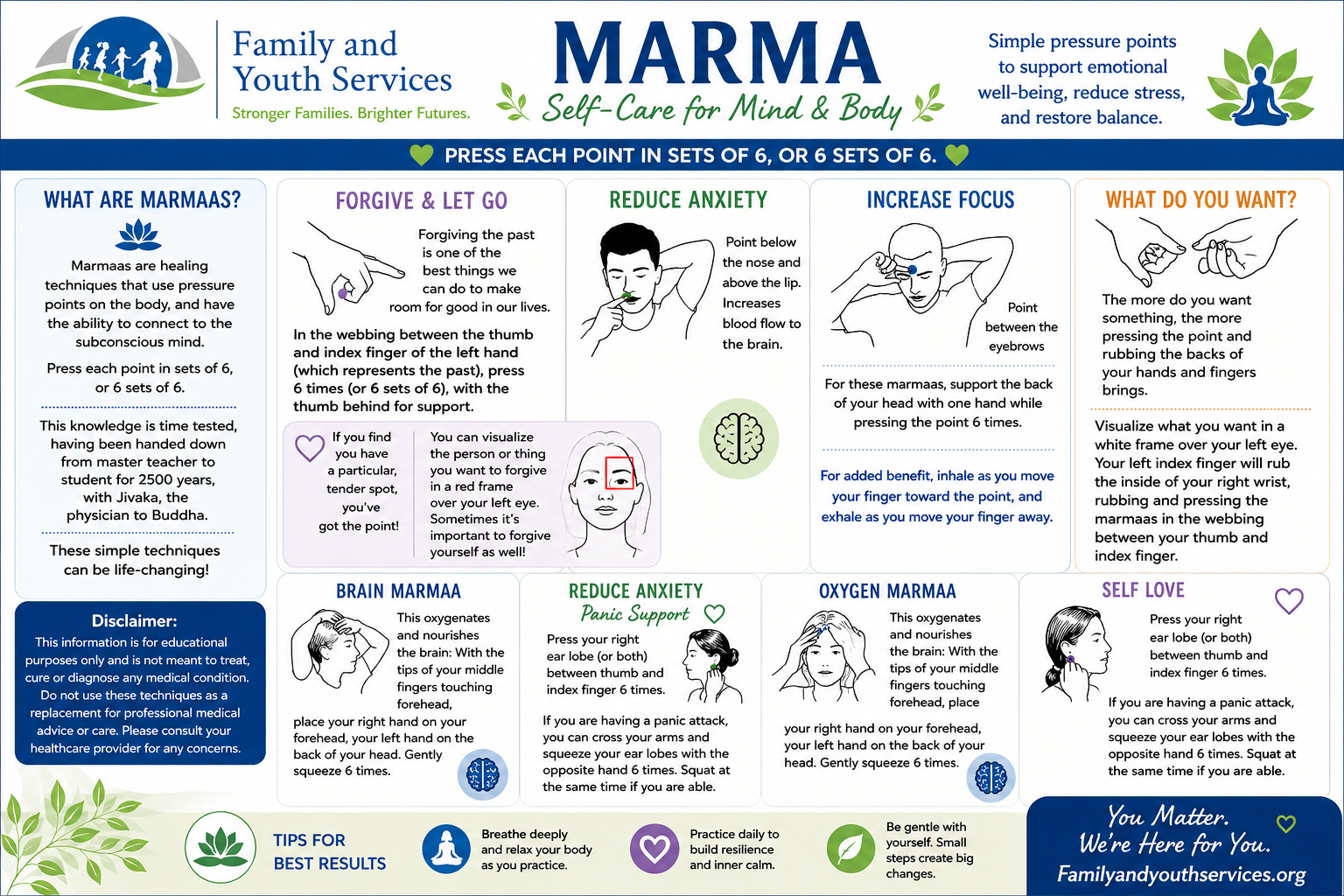
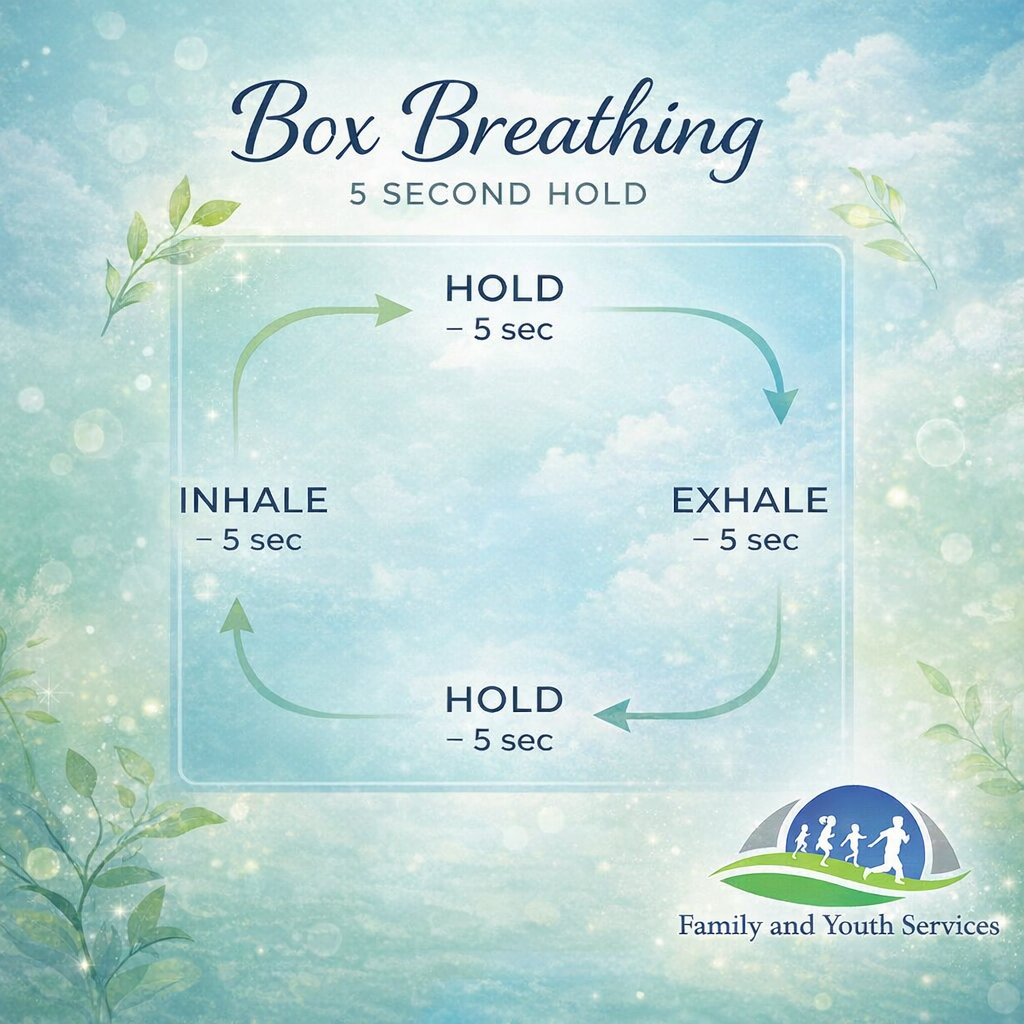
  • Deep breathing exercises

  • Guided meditation

  • Journaling

  • Grounding techniques

These practices can reduce emotional overwhelm and promote a sense of calm during challenging winter months. One of our therapists will be able to teach you these mindfulness skills.

5. Focus on Nutrition and Self‑Care

What we eat and how we care for ourselves matters. Maintaining balanced nutrition and self‑care routines can support both physical and mental health. Try to:

  • Eat regular, balanced meals

  • Stay hydrated

  • Create small daily self‑care rituals

Self‑compassion is key—especially when energy feels low.

When to Seek Professional Support

If the winter blues begin to feel overwhelming or persist beyond a few weeks, professional support can make a meaningful difference. Compassionate, evidence‑based therapy can help individuals, couples, youth, and families:

  • Understand emotional patterns

  • Build coping skills

  • Improve mood and motivation

  • Strengthen relationships

Working with a therapist provides a safe, supportive space to navigate seasonal challenges and support long‑term mental wellness.

Compassionate Support Through the Winter Months

Coping with the winter blues is not about pushing through or ignoring how you feel—it’s about listening to your needs and accessing the right support. With practical strategies, meaningful connection, and compassionate care, it is possible to feel more grounded and emotionally supported throughout the winter season.

If you or a loved one are struggling, reaching out for mental health services, family therapy, or youth counseling can be a positive step toward healing and growth.

You don’t have to navigate the winter months alone. If the winter blues are affecting your mood, relationships, or daily functioning, we encourage you to speak with one of the compassionate therapists on our team at Family and Youth Services. Our therapists provide supportive, evidence-based care for individuals, youth, couples, and families, and are here to help you feel more grounded and supported throughout the winter months. You can complete a new client request form today on our website.

Valentine's Day is a Day for Self Love and a Great Day to Prioritize your Mental Health

The  team at Family and Youth Services wants to help you celebrate Valentine's Day in a new way.  We want you to re-envision it as a day for Self Love Day. Valentine's day has been a day of chocolates, candy, roses and dinners. However, for many Valentine's Day can be a day of feeling lonely and isolated. Today let's reclaim Valentine's Day as a day to love ourselves. Below is a link for a great article about ways to love yourself but if you don't have time here are some highlights:

1. Today is a day to think about improving your Mental Health and Wellbeing. Today is a great day to reach out to us and complete a request to meet with a therapist. We have a fantastic team of Counselors and Prescribers who will help guide you to finding inner peace and happiness. These days Therapy is so accessible and you can meet with your therapists while at home via telehealth sessions.

2. Self Care: Self Care may be the last thing on your to do list but today is the perfect day to prioritize yourself. How about schedule yourself that massage, buy yourself a box of chocolates or even make yourself a cup of green tea while you relax and watch a movie. Meet with a therapist today to explore coping skills, hobbies and ways to take care of yourself.

3. Mindfulness and Meditation: Both of these have shown to help reduce anxiety and create a sense of calm. We recommend using the Calm App, finding free meditations on Youtube or you can work with our therapists to learn strategies to help you practice mindfulness. 

4. Exercise: Exercise is one of the best medicines for feeling depressed or anxious. We know it's hard to exercise but you don't have to do an intense workout to feel the benefits. You can go for a walk, take a yoga class at home or at a studio or dance like no one is watching. No matter what you do or what you like...just get your body moving. If you don't have the motivation to do anything...we are here to help you find that drive again.

5.  Take a Day for Digital Detox. We love this one. Social Media is a great tool to connect with others but it also can make us feel lonely and left out. Especially on a day like today....It's time to shut down Facebook, Twitter, Snapchat and Instagram. Stepping away from Social Media can be just as good as a massage. It is very freeing. 

6. Quality Time with Loved Ones: Today is a great day to call family members or text a friend. However like many of us you may be thinking you really need to make more friends. Over the years we change and so do our friend groups and that is okay. If you want to make new friends we recommend checking out the app Bumble BFF. Yep the same app that you can use to date and professionally network. Bumble BFF is a great way to make friends with people in your community.

If you are interested in reading more ways that you can Love yourself we highly recommend that you read the article. We know that all of this sounds great, but we also know it's easier said than done.  So let us help you. There are many ways to contact us:

Email us: info@familyandyouthservices.org

Phone Number :848-205-1799

In office appointments are held in our office in East Brunswick, New Jersey

You can also complete our contact form on our webpage to request services.

https://www.familyandyouthservices.org/appointment-requests

Happy Self Love Day!!!

Lauren


To keep reading the article click below:

https://mindfulhealthsolutions.com/ditch-the-chocolates-why-your-mental-health-matters-this-valentines-day/

Photo by Annie Spratt on Unsplash

How Colleges Accommodate Students With Mental Health Conditions

Enrolling in college as a student with a mental health condition doesn’t need to be overwhelming or intimidating. Students who know their rights and learn how to ask for assistance can go on to complete their degree and have a positive educational experience in the process.

To help students find the assistance they need, Intelligent.com created this guide to explain the resources and accommodations most schools provide, and offer tips on how to access these mental health services...click link below to keep reading.

5 Ways to Improve Life With Depression or Anxiety

Did you know:

  • People with depression and anxiety often avoid tasks that invoke negative emotions or self-criticism.

  • Mental health conditions are usually covered by disabilities protections, so one can request accommodations.

  • It's OK to not buy into this narrative and expectation to have a "bigger life."

Click the link below to see the full article